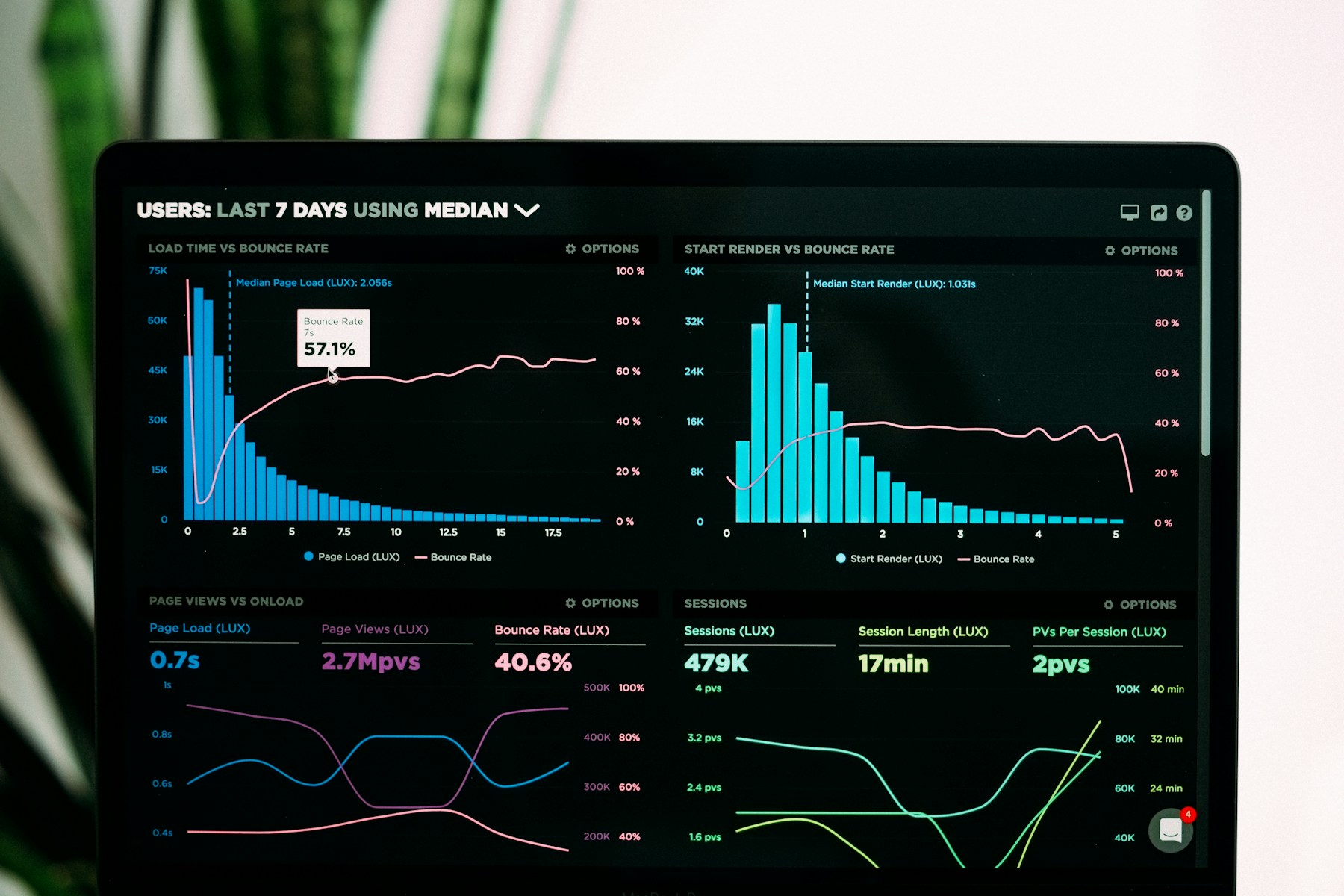

Experience matters. A founder who has spent ten years in a category can often sense a shift before it appears in a dashboard. The problem begins when that instinct is treated as the full case for a decision.
An intuition-led decision usually sounds reasonable: customers seem more price-sensitive, a competitor appears to be growing, or a new location feels promising. Yet each statement hides questions that can materially change the answer.
Where instinct becomes expensive
Three decisions create disproportionate risk for growing businesses:
- Changing price without understanding willingness to pay and competitive alternatives.
- Entering a market based on visible demand without sizing reachable demand.
- Adding products because a few vocal customers asked for them.
The cost is not only the money spent. It is the time the team loses before discovering that the original assumption was incomplete.
Add evidence without creating a research department
Evidence does not need to mean a six-month study. A focused decision can often be improved through a compact sequence:
- Write the decision in one sentence.
- List the assumptions that must be true for it to work.
- Identify which assumption carries the most risk.
- Collect only the evidence needed to test that assumption.
- Define in advance what result would change the decision.
This approach keeps research proportional to the stakes. It also prevents teams from collecting data that is interesting but not useful.
Treat intuition as a hypothesis
The strongest leaders do not abandon instinct. They use it to form a sharper hypothesis.
Instead of saying, “Customers will pay more,” write, “Our highest-frequency customers will accept a 5 percent price increase if delivery speed remains unchanged.” The second statement can be tested. It tells the team who to study, what to measure, and which trade-off matters.
That is the practical role of research in an SME: not to slow a decision down, but to reduce the chance of being confidently wrong.